Exploring concepts related to men's everyday well-being through an observational and informational lens. This resource examines lifestyle factors, cultural contexts, and daily routines as topics of general interest.
Explore the Topic in Context
The notion of everyday well-being encompasses various aspects of daily life that individuals navigate routinely. From a descriptive standpoint, this includes how people structure their days, the environments they inhabit, and the cultural frameworks that shape their understanding of balance.
This educational resource presents information about these topics without advocating for specific approaches or suggesting particular outcomes. The content serves to describe phenomena as they exist within broader social and cultural contexts.
Well-being as a concept varies significantly across cultures, individuals, and historical periods. What constitutes balance for one person may differ entirely for another.
Across different cultures, morning routines vary considerably. Some individuals begin their day early, while others follow different schedules based on work requirements, family structures, or personal preferences.
The structure of daytime activities reflects occupational demands, climate considerations, and social obligations. These patterns have evolved over generations within various communities.
Evening periods often serve as transitions between active and restful states. Different cultures have developed various customs around this time, reflecting local traditions and practical considerations.
The relationship between individuals and their surrounding environments has been a subject of observation throughout human history. Natural settings and built environments each present different contexts for daily activities.
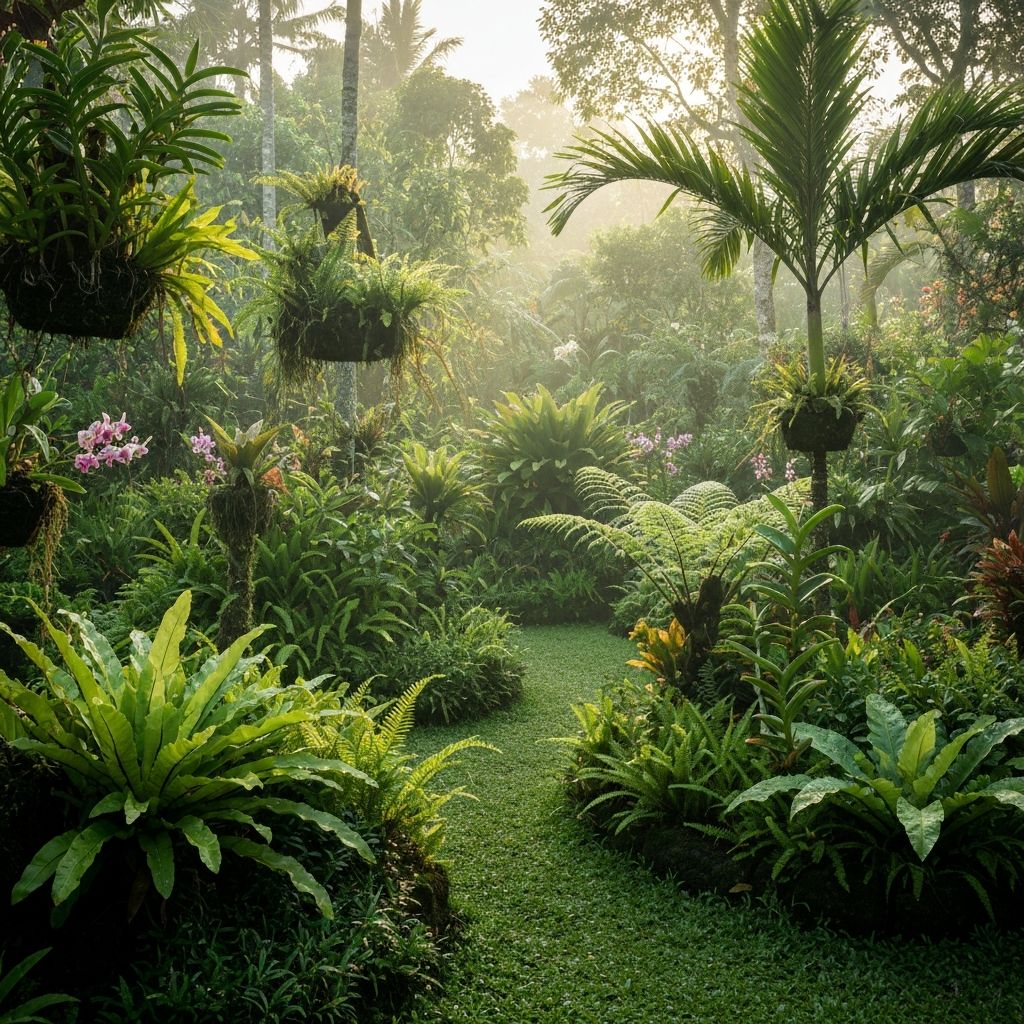
Green spaces and botanical environments are features of many Indonesian landscapes, providing contexts where daily activities may occur.
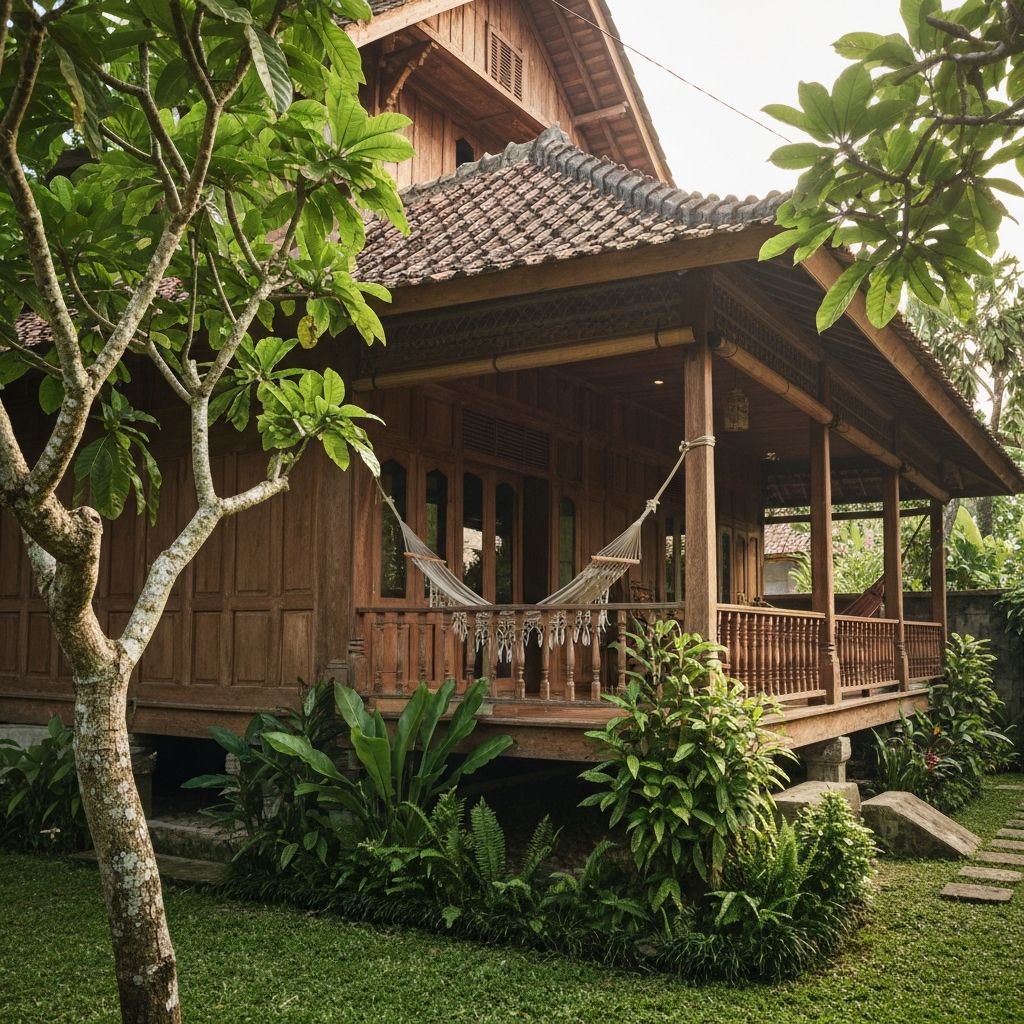
Traditional and contemporary dwelling designs reflect adaptations to local climates and cultural preferences regarding indoor-outdoor relationships.
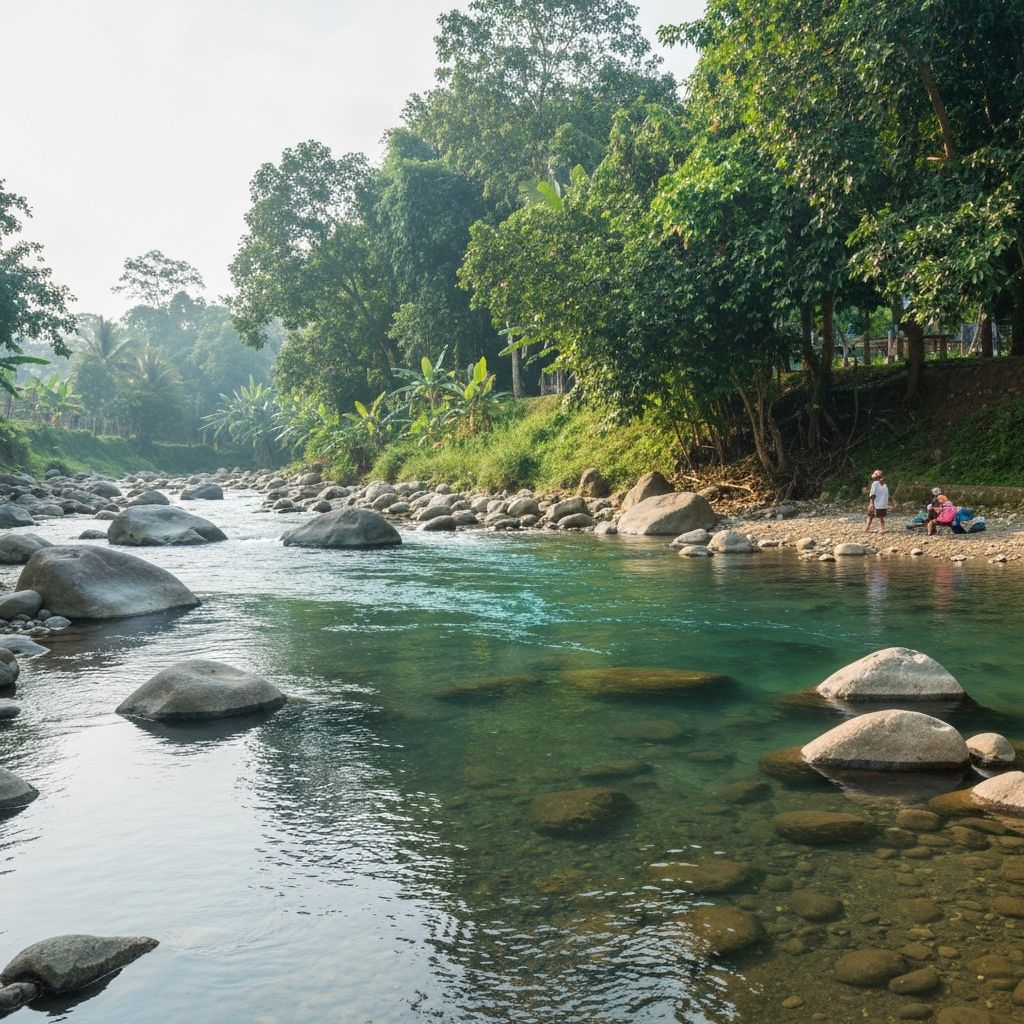
Rivers, streams, and coastal areas form significant elements of the Indonesian landscape, historically influencing settlement patterns and daily routines.
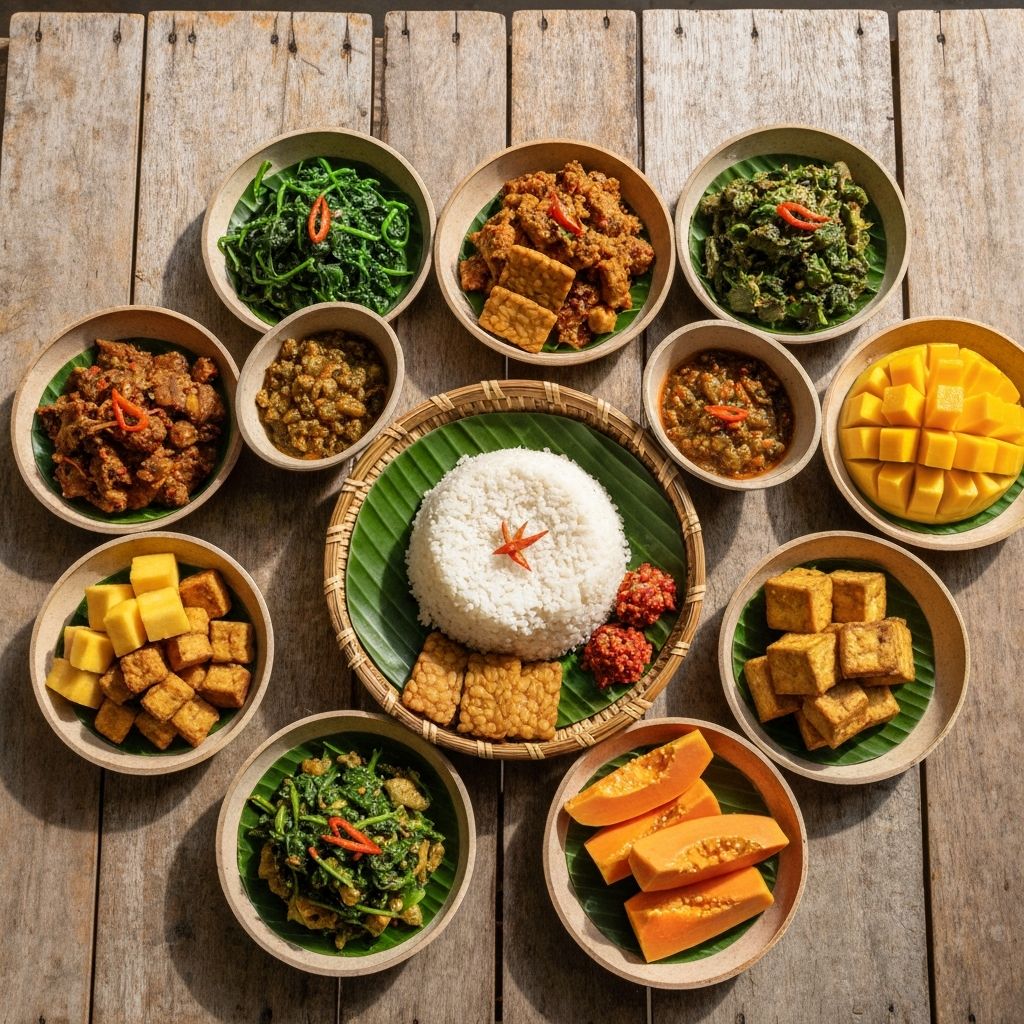
Culinary traditions represent a significant aspect of cultural identity. In the Indonesian context, food practices have developed over centuries, influenced by geographic diversity, agricultural patterns, and cross-cultural exchanges.
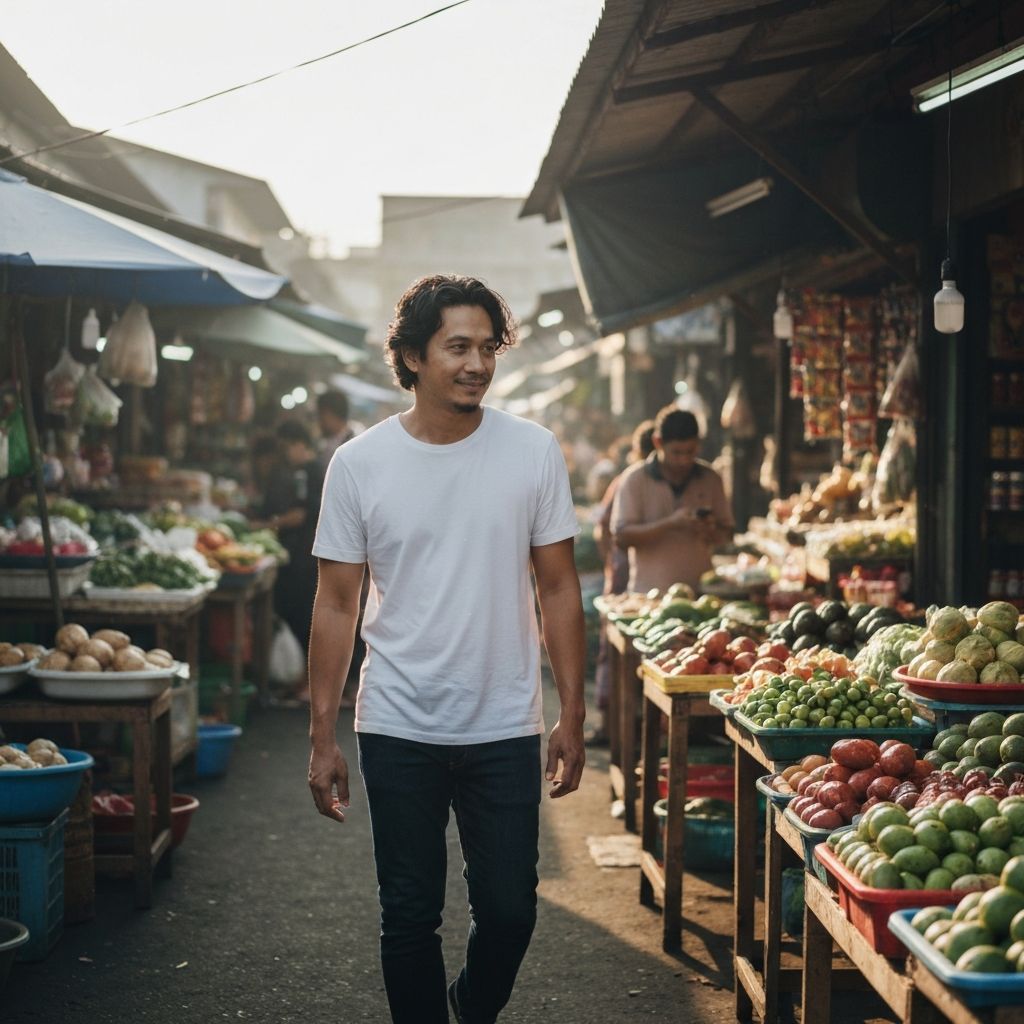
Eating patterns vary across regions and communities. Some areas emphasize particular ingredients based on local availability, while urban centers may feature more diverse options reflecting modern supply chains.
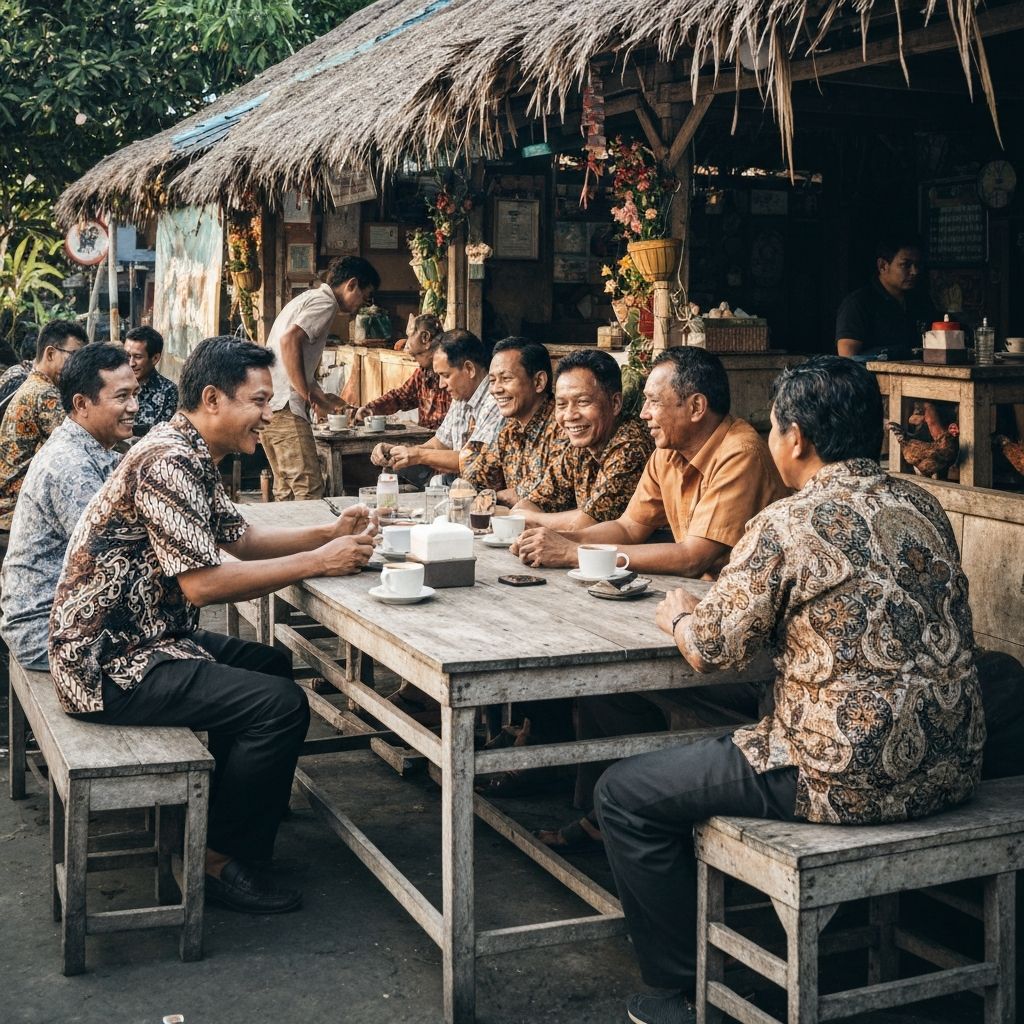
The social dimensions of food consumption—including meal timing, communal eating practices, and ceremonial foods—constitute areas of ongoing cultural observation and documentation.
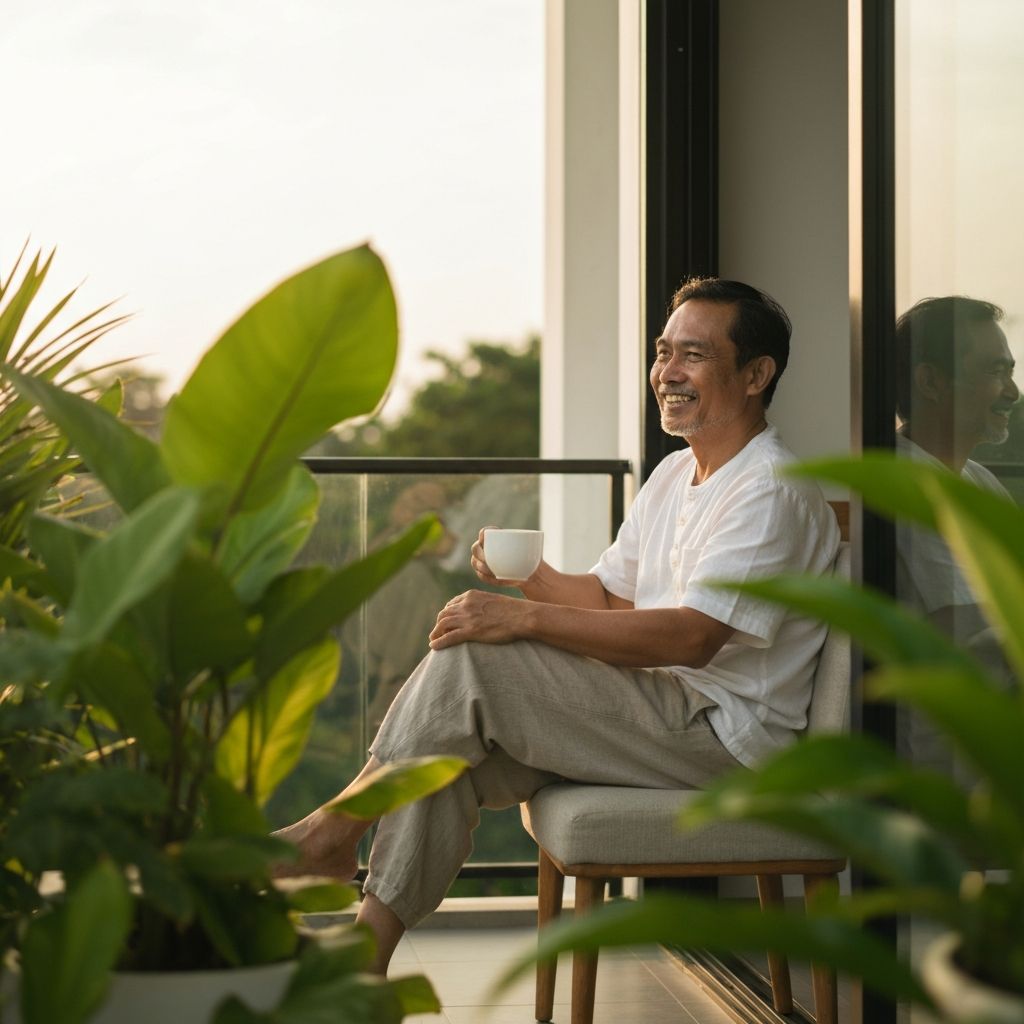
Rest periods take different forms across cultures and individual circumstances. Some traditions incorporate midday rest periods, while others concentrate rest during nighttime hours. Modern work schedules have introduced additional variations to these patterns.
The concept of rest extends beyond sleep to include periods of reduced activity, contemplation, or social relaxation. These distinctions vary in their cultural significance across different communities.
Physical activity manifests in numerous forms, from occupational movement to recreational pursuits. Historical patterns of activity have shifted significantly with technological and economic changes.
Contemporary discussions often note contrasts between traditional activity patterns and modern sedentary tendencies, though individual circumstances vary considerably based on occupation, location, and personal factors.
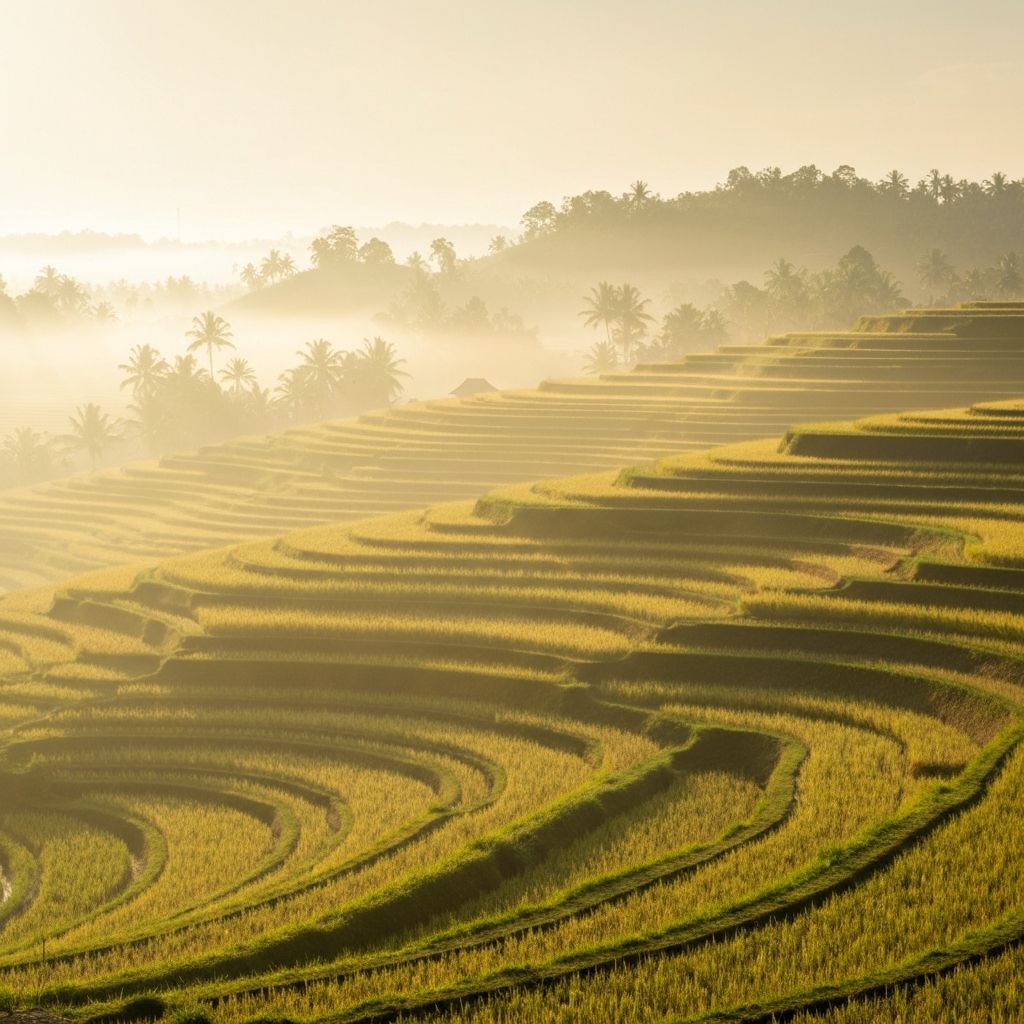
Indonesian society encompasses tremendous diversity across its archipelago of thousands of islands. Regional variations in customs, languages, and daily practices create a complex cultural landscape.
Men's roles and daily patterns reflect this diversity, varying between urban and rural settings, across different ethnic communities, and between generational cohorts. These patterns continue to evolve with broader social and economic changes.
Documentation of these cultural contexts serves educational purposes, providing observational information without prescribing particular approaches or evaluating different patterns.
The information presented on this resource is educational in nature and describes general concepts, cultural observations, and lifestyle topics as matters of informational interest.
Individual circumstances vary significantly based on personal factors, environmental conditions, cultural backgrounds, and numerous other variables that cannot be addressed through general educational content.
This resource does not provide individualized guidance, does not replace personal decision-making processes, and does not suggest that any particular approach is suitable for any specific individual.
Readers are encouraged to consider information within its proper context and to recognize the inherent limitations of generalized educational content when applied to individual circumstances.
The concept of vitality appears across many cultural and historical contexts, though its interpretation varies considerably. From an observational standpoint, different communities have developed distinct frameworks for understanding daily energy and engagement.
These perspectives reflect cultural values, environmental adaptations, and accumulated observations within particular communities. Educational examination of these concepts provides context for understanding diverse approaches to everyday life.
Such observations remain descriptive rather than prescriptive, acknowledging the complexity and individual nature of how people experience and conceptualize their daily lives.
This resource provides informational content about lifestyle concepts, cultural observations, and daily routines as topics of general educational interest. It serves to describe and contextualize phenomena without advocating for specific approaches.
No. This resource presents general educational information and does not provide individualized guidance, recommendations, or advice. Content should be understood as informational rather than directive.
Indonesia presents a diverse cultural landscape with varied traditions and practices across its many regions. This context provides rich material for educational observation and cultural documentation.
Information should be understood as general educational content describing concepts and observations. It does not constitute guidance for individual decisions and should be considered within appropriate context.
Topics include general lifestyle observations, cultural contexts, daily routine patterns, food culture, environmental factors, and related subjects examined from an educational and informational perspective.
For inquiries regarding this educational resource, you may use the form below.
Vireon
Jl. Kemang Timur No. 12, Jakarta Selatan, Indonesia
+62 81 4 97 52 608
This resource offers informational perspectives on lifestyle topics and cultural observations for those interested in learning more about these subjects.
Read the Educational Overview